


EBOOK IN LINGUA STRANIERA




Application of Geochemical Tracers to Fluvial Sediment

46,79 €
+470
punti 
Venditore: Feltrinelli

Acquista online
Scaricabile subito
Articolo acquistabile con Carta del Docente

Articolo acquistabile con Carta Cultura Giovani e Carta del Merito

Articolo acquistabile con Carta della Cultura

Dati e Statistiche
 Salvato in 0 liste dei desideri
Salvato in 0 liste dei desideri
Application of Geochemical Tracers to Fluvial Sediment
Scaricabile subito
46,79 €
46,79 €
Scaricabile subito
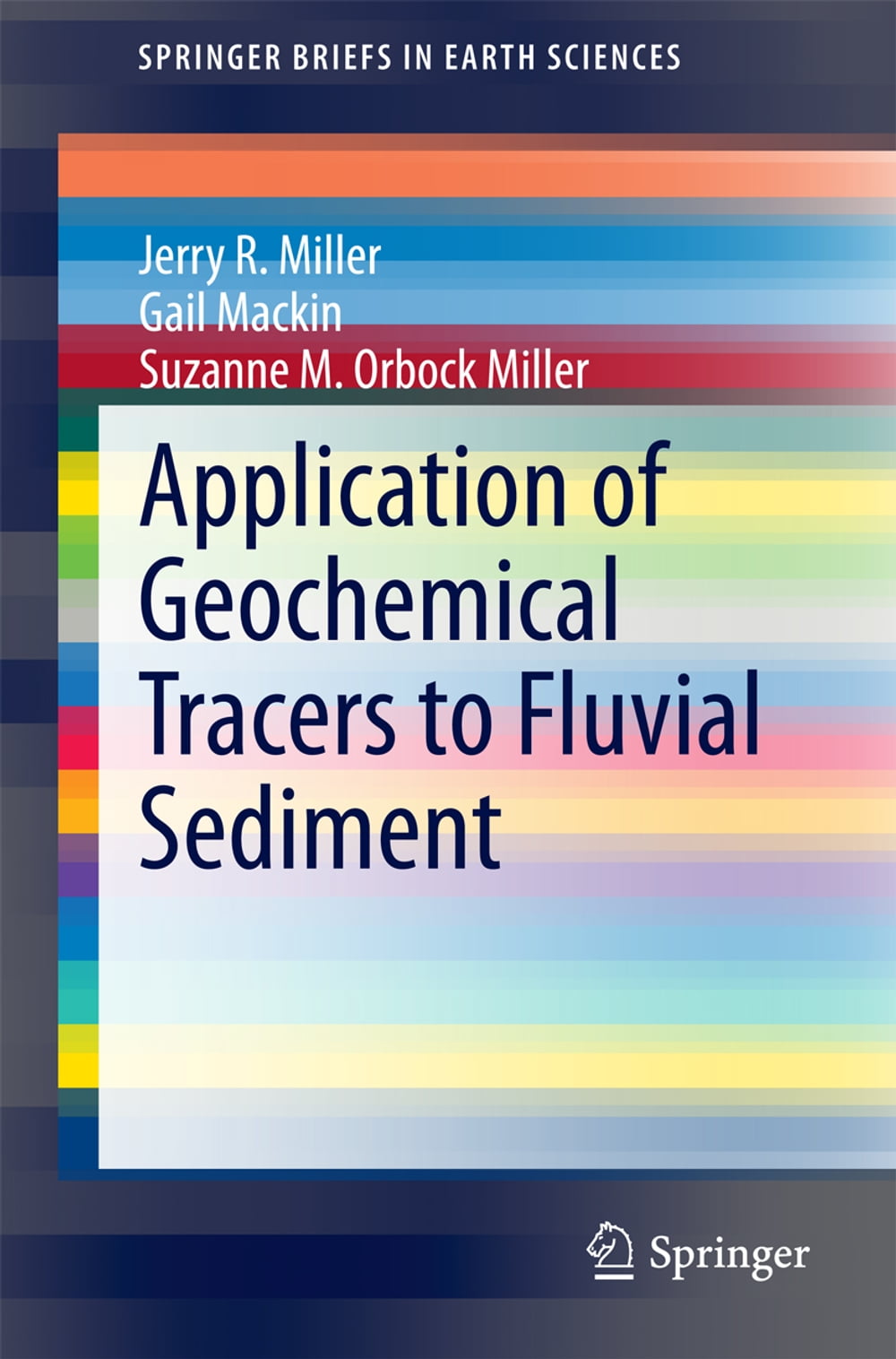


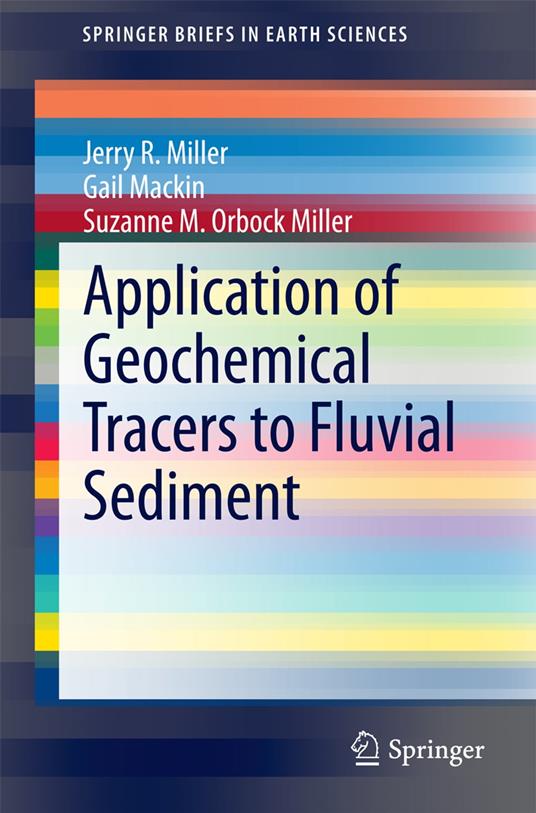
This book takes an in-depth look at the theory and methods inherent in the tracing of riverine sediments. Examined tracers include multi-elemental concentration data, fallout radionuclides (e.g., 210Pb, 137Cs, 7Be), radiogenic isotopes (particularly those of Pb, Sr, and Nd), and novel (“non-traditional”) stable isotopes (e.g., Cd, Cu, Hg, and Zn), the latter of which owe their application to recent advances in analytical chemistry. The intended goal is not to replace more ‘traditional’ analyses of the riverine sediment system, but to show how tracer/fingerprinting studies can be used to gain insights into system functions that would not otherwise be possible. The text, then, provides researchers and catchment managers with a summary of the strengths and limitations of the examined techniques in terms of their temporal and spatial resolution, data requirements, and the uncertainties in the generated results. The use of environmental tracers has increased significantly during the past decade because it has become clear that documentation of sediment and sediment-associated contaminant provenance and dispersal is essential to mitigate their potentially harmful effects on aquatic ecosystems. Moreover, the use of monitoring programs to determine the source of sediments to a water body has proven to be a costly, labor intensive, long-term process with a spatial resolution that is limited by the number of monitoring sites that can be effectively maintained. Alternative approaches, including the identification and analysis of eroded upland areas and the use of distributed modeling routines also have proven problematic. The application of tracers within riverine environments has evolved such that they focus on sediments from two general sources: upland areas and specific, localized, anthropogenic point sources. Of particular importance to the former is the development of geochemicalfingerprinting methods that quantify sediment provenance (and to a much lesser degree, sediment-associated contaminants) at the catchment scale. These methods have largely developed independently of the use of tracers to document the source and dispersal pathways of contaminated particles from point-sources of anthropogenic pollution at the reach- to river corridor-scale. Future studies are likely to begin merging the strengths of both approaches while relying on multiple tracer types to address management and regulatory issues, particularly within the context of the rapidly developing field of environmental forensics.
-
Autore:
-
Anno edizione:2014
-
Editore:
-
Formato:
-
Lingua:Inglese
Compatibilità:
Tutti i dispositivi (eccetto Kindle) Scopri di più
Layout:
Reflowable
EAN:
9783319132211

Formato:
Gli eBook venduti da Feltrinelli.it sono in formato ePub e possono essere protetti da Adobe DRM. In caso di download di un file protetto da DRM si otterrà un file in formato .acs, (Adobe Content Server Message), che dovrà essere aperto tramite Adobe Digital Editions e autorizzato tramite un account Adobe, prima di poter essere letto su pc o trasferito su dispositivi compatibili.
Cloud:
Gli eBook venduti da Feltrinelli.it sono sincronizzati automaticamente su tutti i client di lettura Kobo successivamente all’acquisto. Grazie al Cloud Kobo i progressi di lettura, le note, le evidenziazioni vengono salvati e sincronizzati automaticamente su tutti i dispositivi e le APP di lettura Kobo utilizzati per la lettura.
Clicca qui per sapere come scaricare gli ebook utilizzando un pc con sistema operativo Windows
