


EBOOK IN LINGUA STRANIERA




Gendering Global Humanitarianism in the Twentieth Century

121,67 €
+1220
punti 
Venditore: Feltrinelli

Acquista online
Scaricabile subito
Articolo acquistabile con Carta del Docente

Articolo acquistabile con Carta Cultura Giovani e Carta del Merito

Articolo acquistabile con Carta della Cultura

Dati e Statistiche
 Salvato in 0 liste dei desideri
Salvato in 0 liste dei desideri
Gendering Global Humanitarianism in the Twentieth Century
Scaricabile subito
121,67 €
121,67 €
Scaricabile subito

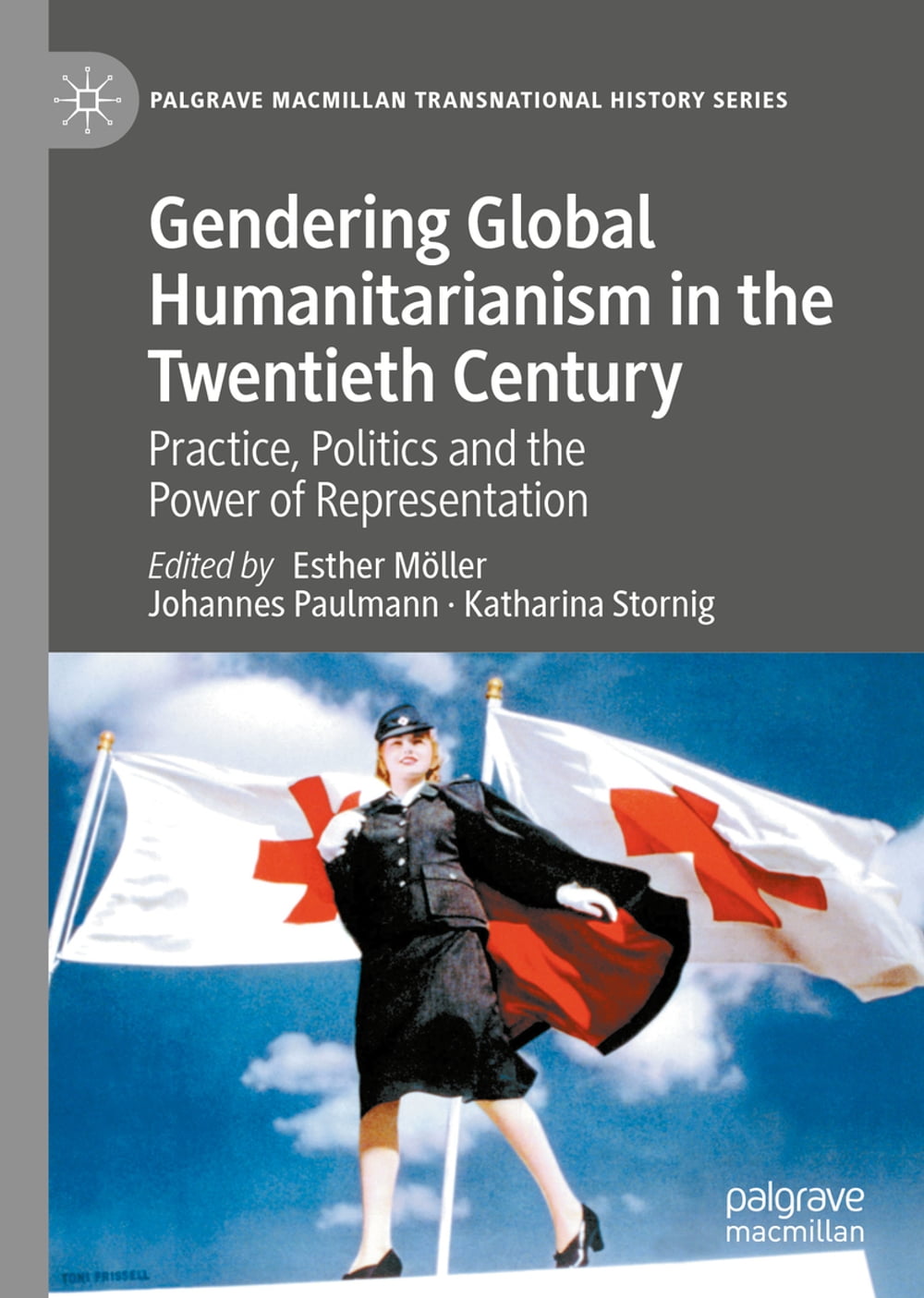


“This volume is interesting both because of its global focus, and its chronology up to the present, it covers a good century of changes. It will help define the field of gender studies of humanitarianism, and its relevance for understanding the history of nation-building, and a political history that goes beyond nations.” - Glenda Sluga, Professor of International History and ARC Kathleen Laureate Fellow at the University of Sydney, Australia This volume discusses the relationship between gender and humanitarian discourses and practices in the twentieth century. It analyses the ways in which constructions, norms and ideologies of gender both shaped and were shaped in global humanitarian contexts. The individual chapters present issues such as post-genocide relief and rehabilitation, humanitarian careers and subjectivities, medical assistance, community aid, child welfare and child soldiering. They give prominence to thebeneficiaries of aid and their use of humanitarian resources, organizations and structures by investigating the effects of humanitarian activities on gender relations in the respective societies. Approaching humanitarianism as a global phenomenon, the volume considers actors and theoretical positions from the global North and South (from Europe to the Middle East, Sub-Saharan Africa, South and South East Asia as well as North America). It combines state and non-state humanitarian initiatives and scrutinizes their gendered dimension on local, regional, national and global scales. Focusing on the time between the late nineteenth century and the post-Cold War era, the volume concentrates on a period that not only witnessed a major expansion of humanitarian action worldwide but also saw fundamental changes in gender relations and the gradual emergence of gender-sensitive policies in humanitarian organizations in many Western and non-Western settings.
-
Curatore:
-
Anno edizione:2020
-
Editore:
-
Formato:
Lingua:
Inglese
Compatibilità:
Tutti i dispositivi (eccetto Kindle) Scopri di più
Layout:
Reflowable
EAN:
9783030446307

Formato:
Gli eBook venduti da Feltrinelli.it sono in formato ePub e possono essere protetti da Adobe DRM. In caso di download di un file protetto da DRM si otterrà un file in formato .acs, (Adobe Content Server Message), che dovrà essere aperto tramite Adobe Digital Editions e autorizzato tramite un account Adobe, prima di poter essere letto su pc o trasferito su dispositivi compatibili.
Cloud:
Gli eBook venduti da Feltrinelli.it sono sincronizzati automaticamente su tutti i client di lettura Kobo successivamente all’acquisto. Grazie al Cloud Kobo i progressi di lettura, le note, le evidenziazioni vengono salvati e sincronizzati automaticamente su tutti i dispositivi e le APP di lettura Kobo utilizzati per la lettura.
Clicca qui per sapere come scaricare gli ebook utilizzando un pc con sistema operativo Windows
