


EBOOK IN LINGUA STRANIERA




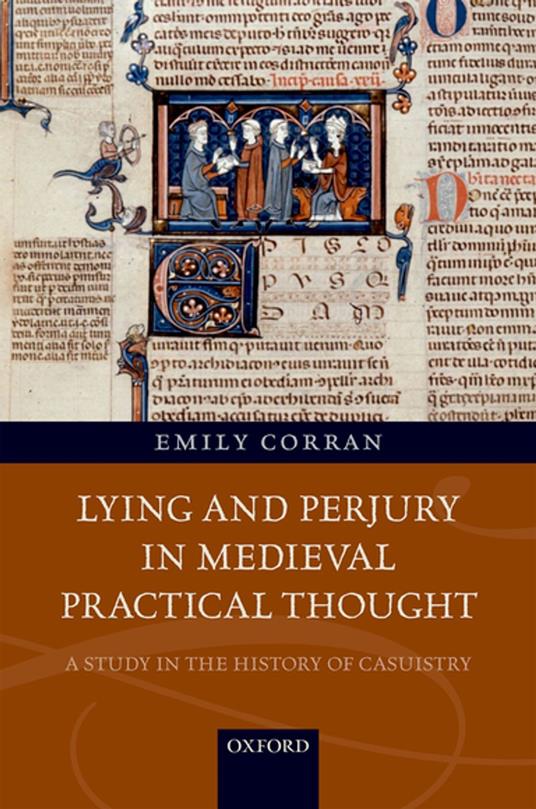
Lying and Perjury in Medieval Practical Thought

77,16 €
+770
punti 
Venditore: Feltrinelli

Acquista online
Scaricabile subito
Articolo acquistabile con Carta del Docente

Articolo acquistabile con Carta Cultura Giovani e Carta del Merito

Articolo acquistabile con Carta della Cultura

Dati e Statistiche
 Salvato in 0 liste dei desideri
Salvato in 0 liste dei desideri
Lying and Perjury in Medieval Practical Thought
Scaricabile subito
77,16 €
77,16 €
Scaricabile subito
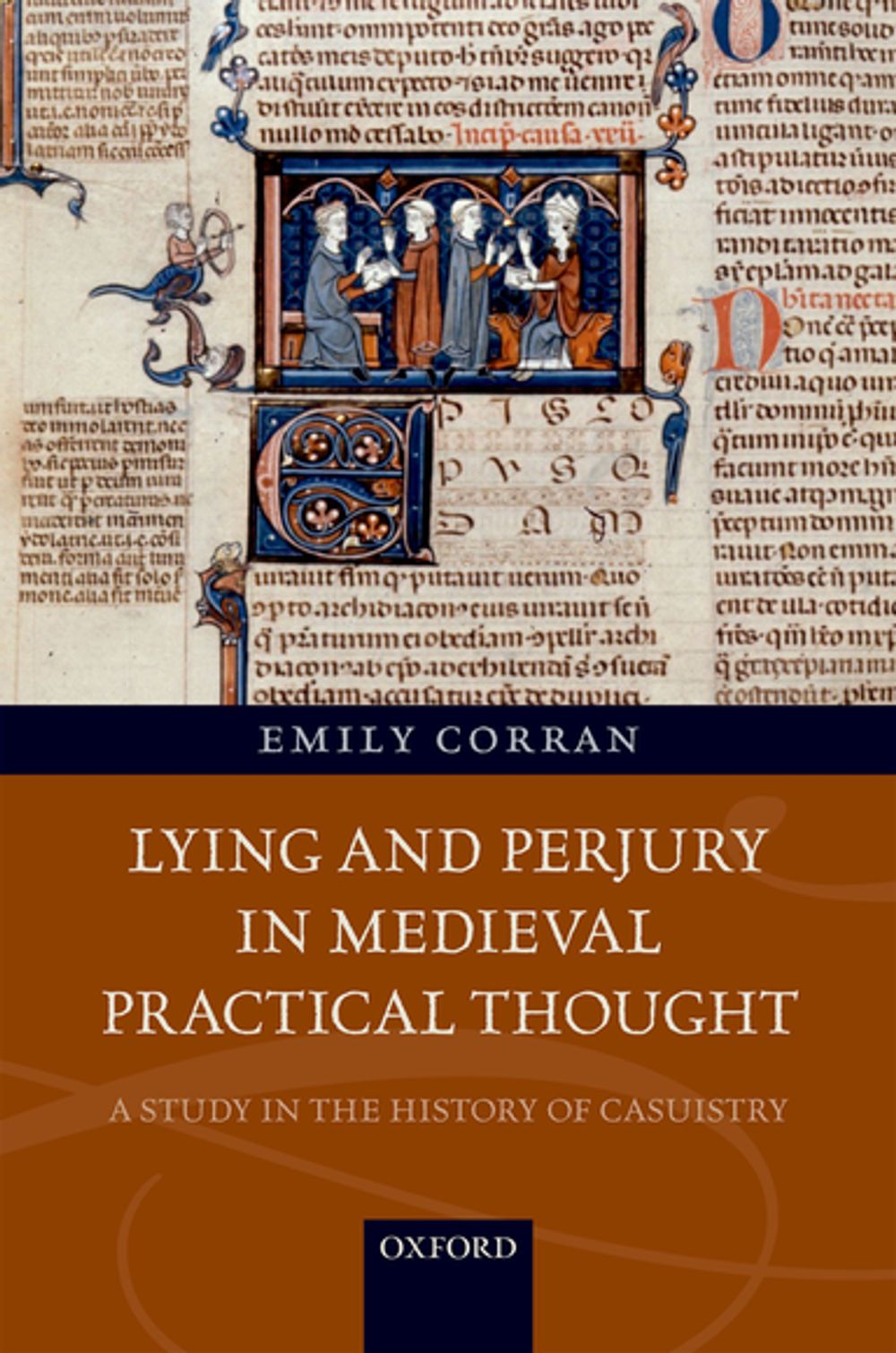


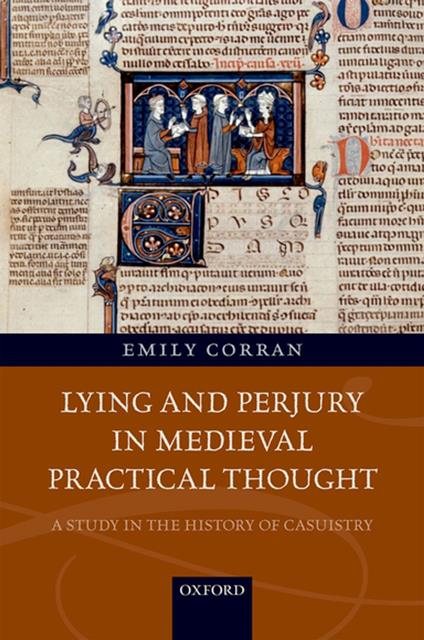
Thought about lying and perjury became increasingly practical from the end of the twelfth century in Western Europe. At this time, a distinctive way of thinking about deception and false oaths appeared in the schools of Paris and Bologna, most notably in the Summa de Sacramentis et Animae Consiliis of Peter the Chanter. This kind of thought was concerned with moral dilemmas and the application of moral rules in exceptional cases. It was a tradition which continued in pastoral writings of the thirteenth century, the practical moral questions addressed by theologians in universities in the second half of the thirteenth century, and in the Summae de Casibus Conscientiae of the late Middle Ages. Lying and Perjury in Medieval Practical Thought argues that medieval practical ethics of this sort can usefully be described as casuistry - a term for the discipline of moral theology that became famous during the Counter-Reformation. This can be seen in the origins of the concept of equivocation, an idea that was explored in medieval literature with varying degrees of moral ambiguity. From the turn of the thirteenth century, the concept was adopted by canon lawyers and theologians, as a means of exploring questions about exceptional situations in ethics. It has been assumed in the past that equivocation, and the casuistry of lying was an academic discourse invented in the sixteenth century in order to evade moral obligations. This study reveals that casuistry in the Middle Ages was developed in ecclesiastical thought as part of an effort to explain how to follow moral rules in ambiguous and perplexing cases.
-
Autore:
-
Anno edizione:2018
-
Editore:
-
Formato:
-
Lingua:Inglese
Compatibilità:
Tutti i dispositivi (eccetto Kindle) Scopri di più
Layout:
Reflowable
EAN:
9780192564054

Formato:
Gli eBook venduti da Feltrinelli.it sono in formato ePub e possono essere protetti da Adobe DRM. In caso di download di un file protetto da DRM si otterrà un file in formato .acs, (Adobe Content Server Message), che dovrà essere aperto tramite Adobe Digital Editions e autorizzato tramite un account Adobe, prima di poter essere letto su pc o trasferito su dispositivi compatibili.
Cloud:
Gli eBook venduti da Feltrinelli.it sono sincronizzati automaticamente su tutti i client di lettura Kobo successivamente all’acquisto. Grazie al Cloud Kobo i progressi di lettura, le note, le evidenziazioni vengono salvati e sincronizzati automaticamente su tutti i dispositivi e le APP di lettura Kobo utilizzati per la lettura.
Clicca qui per sapere come scaricare gli ebook utilizzando un pc con sistema operativo Windows
